Introduction
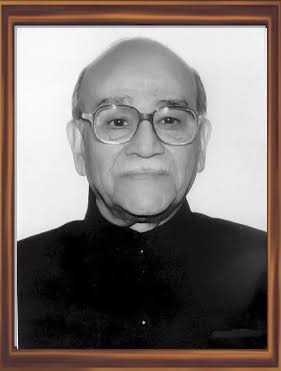
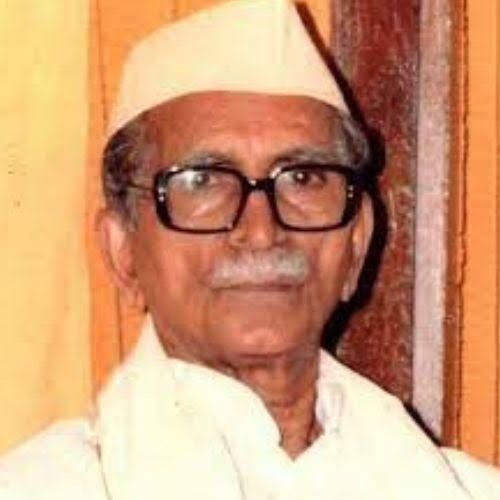
Gogineni Ranga Nayakulu, popularly known as N. G. Ranga, was one of India’s most respected freedom fighters, parliamentarians, agricultural economists, and farmers’ leaders. He devoted his life to protecting the rights of farmers and improving rural development in India. With a parliamentary career spanning more than six decades, he became one of the country’s longest-serving legislators. His outstanding contributions to agriculture, public affairs, and the welfare of farmers earned him the Padma Vibhushan, India’s second-highest civilian award.
Early Life
N. G. Ranga was born into a farming family in Andhra Pradesh, which shaped his lifelong commitment to agriculture and rural communities.
- Full Name: Gogineni Ranga Nayakulu
- Popular Name: N. G. Ranga
- Date of Birth: November 7, 1900
- Place of Birth: Nidubrolu, Guntur district, Andhra Pradesh (then Madras Presidency), British India
- Growing up in a farming family gave him firsthand knowledge of the challenges faced by Indian farmers.
Birth Date and Death
- Born: November 7, 1900
- Died: June 9, 1995
- Age at Death: 94 years
- Place of Death: Hyderabad, Andhra Pradesh (now Telangana), India
His lifelong dedication to public service and agriculture continues to inspire generations.
Education and Career
N. G. Ranga received his early education in Andhra Pradesh before pursuing higher studies in economics.
He studied at Pachaiyappa’s College, Madras, and later attended the University of Oxford, where he specialized in economics and rural development. After completing his education, he worked as a professor of economics before entering public life.
He actively participated in India’s freedom movement under the leadership of Mahatma Gandhi. Following independence, he served in both the Lok Sabha and the Rajya Sabha for many decades. Throughout his career, he remained a strong advocate for farmers’ rights, agricultural reforms, and rural development.
Career and Achievements
N. G. Ranga made numerous significant contributions during his long career:
- Participated in India’s freedom struggle.
- Served as a Member of Parliament for over 60 years.
- Became one of India’s foremost leaders representing farmers.
- Founded and led organizations dedicated to protecting farmers’ interests.
- Advocated for fair agricultural prices and land reforms.
- Authored several books on agriculture, economics, and rural development.
- Promoted democratic values and cooperative farming.
Field of Achievement
N. G. Ranga made remarkable contributions in:
- Public Affairs
- Agriculture
- Farmers’ Welfare
- Economics
- Politics
- Rural Development
- Freedom Movement
His work significantly influenced India’s agricultural policies and rural economy.
Why Did He Receive the Padma Vibhushan Award?
N. G. Ranga was awarded the Padma Vibhushan in 1991 for his exceptional contributions to Public Affairs.
The award recognized:
- His lifelong dedication to the welfare of Indian farmers.
- His outstanding service as a parliamentarian.
- His contributions to agricultural economics and rural development.
- His leadership during India’s freedom movement.
- His role in shaping policies that improved the lives of farmers and rural communities.
Awards and Honours
N. G. Ranga received several prestigious honours, including:
- Padma Vibhushan (1991) – India’s second-highest civilian award for contributions to Public Affairs.
- Honorary doctorates from leading universities.
- National recognition as one of India’s greatest farmers’ leaders.
- Various awards from agricultural and educational institutions for his service to rural development.
Interesting Facts
- N. G. Ranga served in Parliament for more than six decades, making him one of India’s longest-serving legislators.
- He was popularly known as the “Champion of Indian Farmers.”
- He wrote numerous books on agriculture, economics, and rural development.
- He represented India at several international conferences on agriculture.
- He dedicated his entire public life to improving the economic conditions of farmers.
- An agricultural university in Andhra Pradesh was named Acharya N. G. Ranga Agricultural University in his honour.
Legacy and Inspiration
N. G. Ranga’s legacy continues through his contributions to agricultural policy, rural development, and democratic governance. His ideas on farmers’ welfare continue to influence policymakers, researchers, and agricultural institutions. He remains an enduring inspiration for those working to improve the lives of rural communities and strengthen India’s agricultural sector.
Contribution to the Nation
N. G. Ranga made lasting contributions to India by:
- Protecting the rights and interests of farmers.
- Promoting agricultural reforms and rural development.
- Strengthening India’s democratic institutions through decades of parliamentary service.
- Supporting cooperative farming and fair agricultural policies.
- Inspiring future generations of leaders committed to public service and rural welfare.
His efforts helped improve the livelihoods of millions of farmers and contributed to India’s agricultural progress.
Conclusion
N. G. Ranga was an extraordinary freedom fighter, economist, and parliamentarian whose lifelong dedication to farmers transformed India’s agricultural landscape. His tireless advocacy for rural development, democratic values, and social justice earned him the Padma Vibhushan and the respect of the entire nation. His legacy continues to inspire policymakers, farmers, students, and citizens who believe in building a stronger and more prosperous India.
About the Author