Introduction
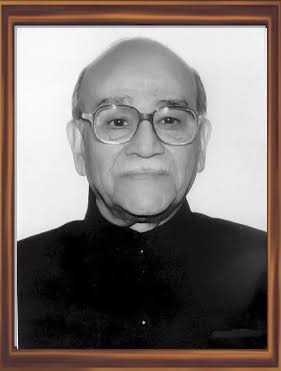
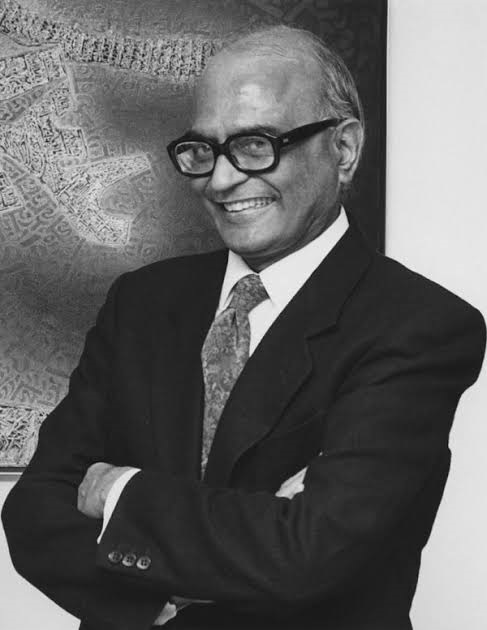
Indraprasad Gordhanbhai Patel, popularly known as I. G. Patel, was one of India’s most distinguished economists, administrators, and educationists. He made significant contributions to India’s economic policies, financial institutions, and higher education. As the Governor of the Reserve Bank of India (RBI) and later the Director of the London School of Economics, he earned international recognition for his expertise in economics and public administration. His outstanding service to the nation was recognized with the Padma Vibhushan, India’s second-highest civilian award.
Early Life
I. G. Patel was born into a modest family in Gujarat and displayed exceptional academic talent from an early age.
- Full Name: Indraprasad Gordhanbhai Patel
- Date of Birth: November 11, 1924
- Place of Birth: Sunav, Anand district, Gujarat, India
- From childhood, he excelled in academics and developed a strong interest in economics and public policy.
Birth Date and Death
- Born: November 11, 1924
- Died: July 17, 2005
- Age at Death: 80 years
- Place of Death: Vadodara, Gujarat, India
His work continues to influence economists, policymakers, and educators around the world.
Education and Career
I. G. Patel completed his early education in Gujarat before pursuing higher studies in economics.
He graduated from the University of Bombay (now the University of Mumbai) and later earned advanced degrees from King’s College, Cambridge, United Kingdom, where he specialized in economics.
During his distinguished career, he held several prestigious positions, including:
- Secretary in the Ministry of Finance, Government of India
- Deputy Administrator of the United Nations Development Programme (UNDP)
- Governor of the Reserve Bank of India (1977–1982)
- Director of the London School of Economics (1984–1990)
His leadership and expertise earned him respect both in India and internationally.
Career and Achievements
I. G. Patel achieved numerous milestones during his career:
- Served as the 14th Governor of the Reserve Bank of India.
- Played a key role in shaping India’s economic and monetary policies.
- Represented India in several international financial organizations.
- Served as Director of the London School of Economics, becoming one of the few Indians to lead the institution.
- Authored influential books and research papers on economics and development.
- Advised governments and international organizations on economic policy.
Field of Achievement
I. G. Patel made remarkable contributions in:
- Economics
- Public Administration
- Banking and Finance
- Monetary Policy
- Higher Education
- International Development
His expertise helped strengthen India’s financial institutions and economic planning.
Why Did He Receive the Padma Vibhushan Award?
I. G. Patel was awarded the Padma Vibhushan in 1991 for his exceptional contributions to Civil Service and Economic Administration.
The award recognized:
- His outstanding leadership as Governor of the Reserve Bank of India.
- His contributions to India’s economic policy and financial stability.
- His service in senior government and international positions.
- His achievements in higher education as Director of the London School of Economics.
- His lifelong commitment to economic research, public administration, and national development.
Awards and Honours
I. G. Patel received several prestigious honours, including:
- Padma Bhushan (1980) – For distinguished service to the nation.
- Padma Vibhushan (1991) – India’s second-highest civilian award for his contributions to civil service and economics.
- Honorary doctorates from leading universities.
- International recognition for his contributions to economics and higher education.
Interesting Facts
- I. G. Patel served as Governor of the Reserve Bank of India during a challenging period for the Indian economy.
- He became the Director of the London School of Economics, one of the world’s leading institutions for social sciences.
- He worked with several international organizations, including the United Nations.
- He wrote respected books on economic policy and development.
- He was widely admired for his balanced, practical, and scholarly approach to economics.
Legacy and Inspiration
I. G. Patel’s legacy lives on through his contributions to economic policy, banking, and education. His work continues to influence economists, policymakers, and students across the world. He demonstrated how sound economic thinking, integrity, and public service can contribute to a nation’s progress and global reputation.
Contribution to the Nation
I. G. Patel made lasting contributions to India by:
- Strengthening the Reserve Bank of India’s role in economic management.
- Helping shape national economic and financial policies.
- Representing India in international financial and development organizations.
- Promoting excellence in higher education and economic research.
- Mentoring future economists and public administrators.
His expertise played a significant role in India’s economic development and international standing.
Conclusion
I. G. Patel was an exceptional economist, administrator, and educationist whose work left a lasting impact on India’s financial and academic institutions. His leadership at the Reserve Bank of India, contributions to economic policymaking, and international achievements earned him the Padma Vibhushan and widespread respect. His life remains an inspiration for economists, civil servants, and students dedicated to public service and intellectual excellence.
About the Author