
Introduction
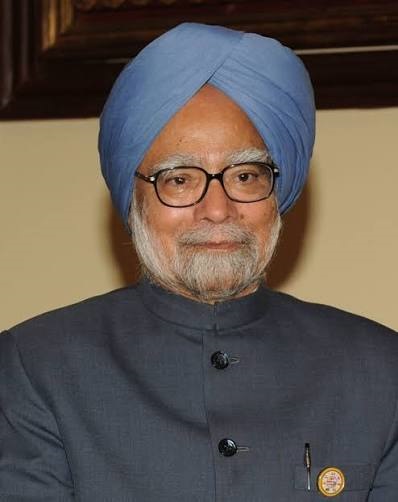
Manmohan Singh was one of India’s most respected economists, policymakers, and political leaders. He served as the 13th Prime Minister of India from 2004 to 2014 and played a major role in shaping India’s economic policies. Known for his honesty, simplicity, and expertise in economics, he contributed greatly to India’s economic development and global presence.
Why Did Manmohan Singh Receive the Padma Vibhushan Award?
Manmohan Singh received the Padma Vibhushan in 1987 for his outstanding contributions to public affairs, economics, and national development.
He was honored for:
- His exceptional work as an economist and policymaker.
- His role in shaping India’s economic policies.
- His contribution to financial reforms and economic planning.
- His service in important government positions, including as the Governor of the Reserve Bank of India and Finance Minister of India.
His economic knowledge and leadership helped influence India’s growth and modernization.
Early Life
Manmohan Singh was born on 26 September 1932 in Gah, Punjab, British India (now in Pakistan). He grew up during a period of major historical changes, including the Partition of India.
From a young age, he showed exceptional academic ability and a strong interest in economics.
Birth Date and Death
- Birth Date: 26 September 1932
- Birth Place: Gah, Punjab, British India (now Pakistan)
- Death Date: 26 December 2024
- Age at Death: 92 years
Education and Career
Manmohan Singh had an outstanding academic career.
Education:
- Studied at Panjab University.
- Completed higher studies at University of Cambridge.
- Earned a doctorate in economics from University of Oxford.
Career:
Before entering politics, he worked as an economist and held several important positions:
- Professor of Economics.
- Economic Adviser to the Government of India.
- Chief Economic Adviser.
- Governor of the Reserve Bank of India.
- Finance Minister of India (1991–1996).
- Prime Minister of India (2004–2014).
Career and Achievements
Manmohan Singh made major contributions to India’s economy and governance.
Major achievements include:
- Leading India’s economic liberalization reforms in 1991 as Finance Minister.
- Introducing policies that encouraged globalization, private investment, and economic growth.
- Helping strengthen India’s financial and economic systems.
- Serving as Prime Minister for two consecutive terms.
- Supporting growth in areas such as education, technology, and social development.
- Playing an important role in strengthening India’s international economic relationships.
Field of Achievements
1. Economics
Manmohan Singh was a globally recognized economist known for his research and policy expertise.
2. Economic Reforms
He played a key role in the 1991 economic reforms that transformed India’s economy.
3. Public Administration
As Prime Minister, he worked on national development programs and governance policies.
4. International Relations
He contributed to strengthening India’s economic and diplomatic relations with other countries.
Awards and Honours
Manmohan Singh received several awards and recognitions, including:
- Padma Vibhushan (1987)
- Adam Smith Prize
- Honorary degrees from several international universities
- Recognitions from global institutions for his contributions to economics and public service
Interesting Facts
- Manmohan Singh was the first Sikh person to become the Prime Minister of India.
- He was a highly respected economist before becoming a politician.
- He served as Finance Minister during one of India’s most important economic turning points in 1991.
- He was known for his calm personality and scholarly approach to leadership.
- He was a strong advocate of education, economic development, and inclusive growth.
Legacy and Inspiration
Manmohan Singh’s legacy is closely connected with India’s economic transformation. His life shows the importance of knowledge, education, and dedicated public service.
He continues to inspire students, economists, and leaders through his commitment to honesty, intellectual excellence, and nation-building.
Contribution to the Nation
Manmohan Singh contributed to India by:
- Transforming India’s economy through major reforms.
- Strengthening financial institutions and economic policies.
- Promoting economic growth and global cooperation.
- Supporting development programs for social progress.
- Encouraging education and knowledge-based growth.
- Representing India on international platforms.
Conclusion
Manmohan Singh was a remarkable economist and statesman whose contributions shaped modern India’s economic journey. His role in economic reforms, public service, and national leadership earned him respect in India and around the world. His dedication to learning, simplicity, and service remains an inspiration for future generations.
About the Author