

Introduction
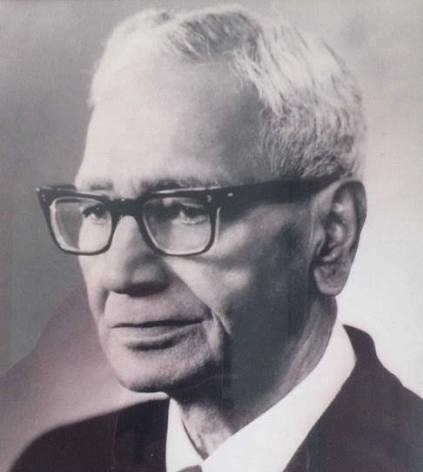
Ajudhia Nath Khosla, popularly known as A. N. Khosla, was one of India’s greatest civil engineers and water resources experts. He played a crucial role in developing modern irrigation systems, dams, and river valley projects after India’s independence. His innovative engineering solutions helped improve agriculture, flood control, hydroelectric power generation, and water management across the country. For his exceptional contribution to engineering and public service, he was awarded the Padma Vibhushan, India’s second-highest civilian award.
Why Did He Receive the Padma Vibhushan Award?
A. N. Khosla received the Padma Vibhushan in 1977 for his outstanding contributions to:
- Civil and hydraulic engineering
- Water resource management
- Design and construction of major dams and barrages
- River valley development projects
- National planning and public administration
His work laid the foundation for India’s irrigation infrastructure and significantly contributed to the country’s agricultural and economic development.
Career and Achievements
A. N. Khosla had a distinguished career spanning engineering, education, and public administration.
Some of his major achievements include:
- Served in the Punjab Irrigation Department, where he worked on irrigation and flood-control projects.
- Developed innovative methods for the design of weirs, barrages, and dams.
- Contributed to the planning and construction of major river valley projects.
- Served as the first Chairman of the Central Water and Power Commission.
- Served as the Vice-Chancellor of University of Roorkee.
- Served as the Governor of Odisha from 1962 to 1966.
- Authored important technical papers on hydraulic engineering and water management.
Early Life
A. N. Khosla was born into a family that valued education and public service. From an early age, he displayed exceptional mathematical and analytical skills. His interest in engineering inspired him to pursue higher education in civil engineering, eventually becoming one of India’s leading engineers.
Birth Date and Death
- Born: 11 December 1892
- Birthplace: Jalandhar
- Died: 29 January 1984
- Age at Death: 91 years
Education and Career
Education
- Graduated in Civil Engineering from Thomason College of Civil Engineering.
- Excelled in hydraulic engineering and irrigation studies.
Career
- Joined the Punjab Irrigation Department.
- Rose to become one of India’s leading hydraulic engineers.
- Chairman of the Central Water and Power Commission.
- Vice-Chancellor of the University of Roorkee.
- Governor of Odisha.
- Advisor to the Government of India on major water resource projects.
Field of Achievement
A. N. Khosla made remarkable contributions in:
- Civil Engineering
- Hydraulic Engineering
- Irrigation Engineering
- Water Resources Management
- Dam Construction
- River Valley Development
- Public Administration
- Higher Education
Awards and Honours
- Padma Bhushan (1954) – For distinguished service in engineering.
- Padma Vibhushan (1977) – For exceptional contributions to engineering and national development.
- Honorary Doctorates from several universities.
- Numerous recognitions from engineering institutions in India and abroad.
Interesting Facts
- He was one of the pioneers of modern hydraulic engineering in India.
- The Khosla Theory for seepage beneath hydraulic structures is still studied by civil engineering students.
- He helped shape India’s irrigation policy after independence.
- He served both as an engineer and a constitutional head of a state.
- He contributed to engineering education by leading the University of Roorkee.
- His technical work continues to influence dam and barrage design.
Legacy and Inspiration
A. N. Khosla’s legacy continues through India’s extensive network of dams, canals, and irrigation systems. His engineering innovations remain relevant in modern hydraulic engineering. Engineering students and professionals continue to study his theories, and his leadership in water resource planning serves as an inspiration for future generations.
His life demonstrates how scientific knowledge, innovation, and dedication can solve national challenges and improve millions of lives.
Contribution to the Nation
A. N. Khosla made significant contributions to India’s development by:
- Improving irrigation facilities for agriculture.
- Helping control floods through better hydraulic structures.
- Supporting hydroelectric power generation.
- Strengthening India’s water resource planning.
- Advancing engineering education and research.
- Contributing to national development through public administration.
- Advising the government on major infrastructure projects.
His work played a vital role in increasing agricultural productivity and supporting India’s long-term economic growth.
Conclusion
Ajudhia Nath Khosla was a visionary engineer, educator, and administrator whose contributions transformed India’s water management and infrastructure. His innovative engineering principles, dedication to public service, and commitment to national development earned him the prestigious Padma Vibhushan. Even today, his work continues to guide engineers and policymakers, making him one of the most respected figures in the history of Indian engineering.
About the Author




