
Introduction
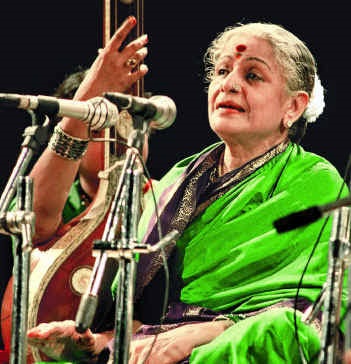
M. S. Subbulakshmi was one of India’s greatest classical singers and a legendary figure in Carnatic music. Known for her divine voice, devotion, and extraordinary musical talent, she brought Indian classical music to audiences across the world. She was the first musician to receive the prestigious Bharat Ratna and was also honoured with the Padma Vibhushan in 1975 for her exceptional contribution to Indian music and culture.
Early Life
M. S. Subbulakshmi was born into a family with a rich musical tradition. Her mother, Madurai Shanmukhavadivu, was a respected veena player who encouraged her daughter’s musical training.
From a very young age, Subbulakshmi showed remarkable musical ability. She began performing publicly as a child and quickly gained recognition for her powerful voice, perfect pitch, and emotional expression.
Birth Date and Death
- Full Name: Madurai Shanmukhavadivu Subbulakshmi
- Date of Birth: 16 September 1916
- Place of Birth: Madurai, Tamil Nadu, India
- Date of Death: 11 December 2004
- Age at Death: 88 years
Education and Career
M. S. Subbulakshmi received her early musical training from her mother and later learned from several renowned musicians, including Semmangudi Srinivasa Iyer and K. S. Narayanaswami.
She began her professional singing career at a young age and became one of the most celebrated performers of Carnatic music.
Important milestones in her career include:
- Gave her first public concert at the age of 13.
- Performed at the prestigious Madras Music Academy.
- Acted in Tamil films such as Meera, which made her famous across India.
- Performed internationally, including concerts at the United Nations.
- Popularized Carnatic music among global audiences.
Career and Achievements
M. S. Subbulakshmi made outstanding contributions to Indian classical music.
Her major achievements include:
- Became one of the most respected Carnatic vocalists in history.
- Popularized devotional songs and compositions across India.
- Recorded numerous classical and spiritual songs that remain popular today.
- Performed at major national and international events.
- Became a cultural ambassador of India through music.
- Used her performances to support charitable causes and humanitarian efforts.
Her renditions of devotional songs such as “Venkateswara Suprabhatam” and “Bhaja Govindam” became iconic.
Why Did She Receive the Padma Vibhushan Award?
M. S. Subbulakshmi received the Padma Vibhushan in 1975 for her outstanding contribution to Indian classical music and arts.
The Government of India honoured her because:
- She enriched Indian classical music with her exceptional voice and dedication.
- She brought Carnatic music to national and international audiences.
- She preserved and promoted India’s cultural heritage.
- She inspired generations of musicians.
- She used her art for social service and charitable activities.
Her music became a symbol of India’s spiritual and cultural identity.
Field of Achievement
M. S. Subbulakshmi achieved excellence in:
- Carnatic Classical Music
- Vocal Performance
- Devotional Music
- Indian Cultural Promotion
- Playback Singing
- Philanthropy through Music
She is considered one of the greatest voices in Indian music history.
Awards and Honours
M. S. Subbulakshmi received numerous prestigious awards, including:
- Padma Bhushan (1954)
- Sangeet Natak Akademi Award (1956)
- Padma Vibhushan (1975)
- Ramon Magsaysay Award (1974)
- Bharat Ratna (1998)
She was the first musician to receive India’s highest civilian honour, the Bharat Ratna.
Interesting Facts
- M. S. Subbulakshmi was popularly known as the “Queen of Carnatic Music.”
- She was the first Indian musician to perform at the United Nations General Assembly (1966).
- She acted in the famous Tamil film Meera (1945).
- She was known for her humility despite her worldwide fame.
- Her recording of “Venkateswara Suprabhatam” is played daily in many homes and temples.
- She donated much of her performance income to charitable causes.
- Her music crossed language and regional boundaries, making her a national icon.
Legacy and Inspiration
M. S. Subbulakshmi’s legacy continues through her recordings, musical traditions, and the countless artists she inspired. Her devotion to music, discipline, and humility made her a role model for musicians worldwide.
She continues to inspire:
- Classical singers
- Young musicians
- Artists
- Cultural ambassadors
- Music lovers around the world
Her life shows how art can unite people and preserve cultural heritage.
Contribution to the Nation
M. S. Subbulakshmi made immense contributions to India’s cultural and musical heritage.
Her contributions include:
- Promoting Carnatic music throughout India and abroad.
- Preserving traditional Indian devotional compositions.
- Representing India’s cultural identity on global platforms.
- Supporting charitable and social causes through music.
- Inspiring generations of musicians and artists.
Her voice became a symbol of India’s rich spiritual and artistic traditions.
Conclusion
M. S. Subbulakshmi was one of India’s most iconic musicians and cultural ambassadors. Her extraordinary talent, devotion to Carnatic music, and commitment to social service earned her the Padma Vibhushan in 1975 and numerous other national honours. Through her timeless music, she connected millions of people and elevated Indian classical music to a global platform. Her legacy continues to inspire musicians and music lovers around the world.
About the Author