Introduction
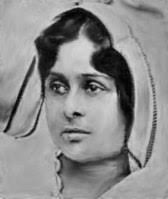
Basanti Devi was a prominent Indian freedom fighter, social worker, and nationalist leader who actively participated in India’s struggle for independence. She was the wife of famous freedom fighter Chittaranjan Das and played an important role in the Non-Cooperation Movement and other national movements against British rule. Her courage, leadership, and dedication to the country earned her the Padma Vibhushan award in 1973.
Early Life
Basanti Devi was born on 23 March 1880 in Calcutta (now Kolkata), Bengal Presidency, British India. She belonged to a respected family and received an education that encouraged social awareness and responsibility.
She married Chittaranjan Das in 1897 and became closely associated with the Indian freedom movement. Over time, she emerged as an important woman leader who inspired many people to join the struggle for independence.
Birth Date and Death
- Full Name: Basanti Devi
- Born: 23 March 1880, Calcutta, Bengal, India
- Died: 7 May 1974, Calcutta (Kolkata), West Bengal, India
- Age at Death: 94 years
Education and Career
Basanti Devi received education at home during her early years, which was common for women of her time. She developed strong interests in social issues, national service, and women’s participation in public life.
Freedom Movement Career:
- Participated actively in the Non-Cooperation Movement (1920–22).
- Took part in the campaign for the use of Swadeshi goods and encouraged people to boycott foreign products.
- Became one of the first prominent women leaders to participate openly in anti-British protests.
- Was arrested by the British government for her involvement in the freedom struggle.
- Continued social work after India gained independence.
Why Did Basanti Devi Receive the Padma Vibhushan Award?
Basanti Devi was awarded the Padma Vibhushan in 1973 for her exceptional contribution to civil service and the Indian freedom movement.
She received this honour because:
- She showed great courage during India’s independence struggle.
- She encouraged women to participate in national movements.
- She supported social reform and public welfare activities.
- She dedicated her life to the service of society and the nation.
- She preserved and promoted the ideals of the freedom movement.
Career and Achievements
Basanti Devi made significant contributions to India’s freedom struggle and social development.
Major achievements:
- Played an active role in the Non-Cooperation Movement.
- Joined protests against British laws and policies.
- Became a symbol of women’s participation in the independence movement.
- Continued her husband Chittaranjan Das’s social and political ideals after his death.
- Supported young nationalists and freedom fighters.
- Worked for education and social welfare.
She was respected by many national leaders, including Subhas Chandra Bose, who regarded her with great affection and respect.
Field of Achievements
Basanti Devi contributed in several important fields:
1. Indian Freedom Movement
She actively fought against British rule and encouraged people to participate in the struggle for independence.
2. Women Empowerment
She helped create greater awareness about women’s role in national movements.
3. Social Service
She worked for education, welfare, and community development.
4. National Leadership
She provided guidance and inspiration to many young activists during the freedom struggle.
Awards and Honours
Important awards and recognitions received by Basanti Devi include:
- Padma Vibhushan (1973) – India’s second-highest civilian honour.
- Recognition as a respected freedom fighter and social worker.
- Honoured for her lifelong dedication to India’s independence and public service.
Interesting Facts About Basanti Devi
- She was the wife of freedom fighter Chittaranjan Das.
- She was among the earliest women to participate openly in India’s freedom movement.
- She was arrested during the Non-Cooperation Movement for her nationalist activities.
- Netaji Subhas Chandra Bose considered her a motherly figure and respected her greatly.
- She continued working for society even after independence.
Legacy and Inspiration
Basanti Devi’s life remains an inspiration for courage, sacrifice, and social responsibility. At a time when women had limited opportunities in public life, she broke barriers and became an active participant in India’s freedom movement.
Her dedication encouraged more women to join national movements and contribute to social change. She is remembered as a symbol of strength, patriotism, and service.
Contribution to the Nation
Basanti Devi contributed to India by:
- Supporting India’s struggle for independence.
- Encouraging women’s participation in public movements.
- Promoting social welfare and education.
- Inspiring young freedom fighters.
- Continuing the values of service and sacrifice after independence.
Conclusion
Basanti Devi was a courageous freedom fighter whose dedication helped strengthen India’s independence movement. Through her bravery, leadership, and commitment to social service, she created a lasting impact on Indian history. Her life continues to inspire generations to work with courage, compassion, and dedication for the progress of the nation.
About the Author