Introduction
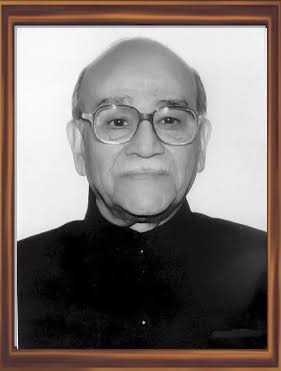
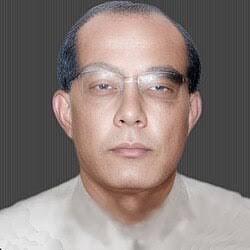
Bimala Prasad Chaliha was a prominent Indian freedom fighter, politician, and social leader who played an important role in the development of Assam after independence. He served as the Chief Minister of Assam for three terms and contributed significantly to education, economic development, and social welfare in the state. His dedication to public service and nation-building earned him the Padma Vibhushan, one of India’s highest civilian honours.
Why Did He Receive the Padma Vibhushan Award?
Bimala Prasad Chaliha was awarded the Padma Vibhushan in 1971 for his exceptional contributions to Public Affairs.
He was honoured for:
- His long and dedicated service in Indian politics.
- His leadership as the Chief Minister of Assam.
- His contributions to the social and economic development of Assam.
- His role in promoting peace, unity, and welfare in the region.
- His commitment to democratic values and public service.
Early Life
Bimala Prasad Chaliha was born on 26 March 1912 in Sibsagar, Assam, British India.
He grew up during the period of India’s freedom struggle and was influenced by the ideals of the national movement. From an early age, he developed a strong sense of patriotism and social responsibility.
Education and Career
Education:
- Completed his early education in Assam.
- Studied at Cotton College, Guwahati.
- Later studied law and became involved in public life.
Career:
Bimala Prasad Chaliha began his career as a lawyer and freedom activist.
Important stages of his career:
- Participated in the Indian freedom movement.
- Was imprisoned during the struggle against British rule.
- Became a member of the Indian National Congress.
- Served as the Chief Minister of Assam from 1957 to 1970.
Career and Achievements
During his tenure as Chief Minister, Bimala Prasad Chaliha made several important contributions:
- Promoted industrial development in Assam.
- Worked for the expansion of education and healthcare facilities.
- Supported infrastructure development in the state.
- Focused on improving the lives of rural communities.
- Worked to maintain peace and unity in Assam during challenging political situations.
- Encouraged economic growth through better use of Assam’s natural resources.
His leadership helped shape the early development of Assam after independence.
Field of Achievement
Bimala Prasad Chaliha made significant contributions in:
- Public Affairs
- Politics
- Social Development
- State Administration
- Freedom Movement
- Rural Welfare
Awards and Honours
His major honours include:
- Padma Vibhushan (1971) – India’s second-highest civilian award for distinguished service in public affairs.
- Recognition as one of Assam’s most respected political leaders.
- Honour for his contributions to public service and state development.
Interesting Facts
- Bimala Prasad Chaliha was one of Assam’s longest-serving Chief Ministers.
- He participated in India’s freedom struggle and faced imprisonment under British rule.
- He served as Chief Minister for nearly 13 years.
- He worked to balance economic development with social welfare.
- He played an important role during a crucial period in Assam’s political history.
Legacy and Inspiration
Bimala Prasad Chaliha is remembered as a leader who dedicated his life to public service. His efforts toward Assam’s development and his commitment to democratic values continue to inspire political leaders and citizens.
His life shows the importance of leadership based on honesty, social responsibility, and concern for people’s welfare.
Contribution to the Nation
Bimala Prasad Chaliha contributed to India by:
- Participating in the freedom struggle against British rule.
- Strengthening democratic governance after independence.
- Promoting economic and social development in Assam.
- Supporting education, healthcare, and infrastructure growth.
- Working for peace and unity in a diverse region.
- Serving the public with dedication and commitment.
Conclusion
Bimala Prasad Chaliha was a remarkable freedom fighter, administrator, and political leader who played a vital role in Assam’s development. His contributions to public affairs and social welfare earned him the Padma Vibhushan in 1971. His dedication, leadership, and service to society continue to remain an inspiration for future generations.
About the Author